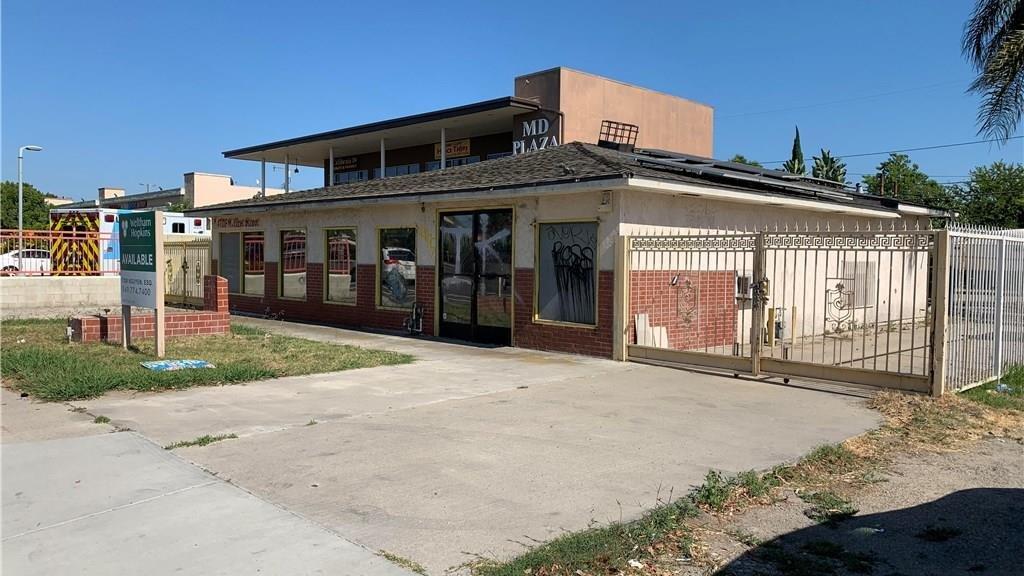
California has a long-running shortage of housing and a large stock of underused commercial property. Senate Bill 6 is one of several state laws aimed at connecting the two. For buyers of commercial land like 4728 W 1st St, understanding SB 6 is essential.
Important: this article is a general explainer. Statutes change and have detailed conditions. Always confirm the current text and its application to your parcel with qualified land-use counsel.
The Core Idea
Historically, if you wanted to build housing on commercially zoned land, you often had to ask the city to change the general plan or the zoning. That process can involve public hearings, environmental review, appeals, and delay, sometimes lasting well over a year with no guaranteed outcome.
SB 6 is designed to change that default for qualifying sites. Instead of asking permission to rezone, a qualifying project may be able to proceed with residential use on land in certain commercial zones, subject to the law's standards.
Why It Matters for 4728 W 1st St
The property is zoned C5, a commercial classification with mixed-use opportunity. Our working thesis is that the parcel is a strong SB 6 candidate, which could support an estimated 12 to 20 residential units on the 9,583 SF lot, and more if combined with the neighbor at 4802 W 1st St.
That thesis requires verification, and we describe the steps below.
Key Concepts to Understand
Streamlined or ministerial review. Many state housing laws provide a defined, objective review process where the city checks the application against published standards rather than exercising broad discretion.
Objective standards. Projects are generally evaluated against measurable criteria such as height, setbacks, and density limits.
Labor standards. SB 6 includes workforce requirements, which can increase construction costs. We address those in Day 12.
Site eligibility. Not every parcel qualifies. Statutes commonly screen for factors such as zoning category, environmental constraints, and surrounding uses.
How Buyers Should Use This Information
- Confirm eligibility. Have counsel review the parcel against the statute's current criteria.
- Engage the city early. Ask Santa Ana Planning how it processes SB 6 applications and what documents it expects.
- Model the project. Create a preliminary site plan to test unit count, parking, and open space.
- Underwrite conservatively. Include labor costs, fees, and a contingency for timing.
- Preserve alternatives. Keep the owner-user and leasing paths open in case the development path changes.
What SB 6 Does Not Do
SB 6 does not eliminate building permits, plan check, inspections, utility connections, or impact fees. It does not guarantee a project is financially feasible. And it does not remove your responsibility to comply with all other applicable law.
The Strategic Takeaway
The value of a streamlined statute is certainty. Developers can price risk more precisely when they know the review path is objective and shorter. Reducing uncertainty tends to lower the discount rate buyers apply to land, which can support stronger land values on qualifying parcels.
Where We Go From Here
This week we will examine timelines, compare SB 6 with AB 2011, work through an eligibility checklist, model the labor standards, connect the project to Santa Ana's RHNA goals, and review Orange County examples.
Questions to Ask Your Attorney
Bring a short list to your first meeting: Does the parcel meet every eligibility criterion today? Which objective standards will the city apply? How do labor requirements affect a project of this size? What fees and deposits should be budgeted? And how does the statute interact with other state density and housing programs? Clear answers early will save weeks later and sharpen your offer strategy.
Next Step
Request the SB 6 overview from Global Estate Hub and share it with your attorney and architect as a starting point for parcel-specific review.
This article is for general informational purposes only and is not legal, tax, financial, or investment advice. Verify all figures, zoning, and legal requirements with qualified professionals and the City of Santa Ana.