In real estate development, time is a cost. Every month that passes between acquisition and groundbreaking brings property taxes, insurance, interest, and consultant fees. That is why timeline reduction is one of the most powerful value drivers in infill housing, and why California Senate Bill 6 attracts so much attention.
The Traditional Rezoning Timeline
When a site must be rezoned or the general plan amended, the sequence commonly includes:
- Pre-application meetings with the city
- Formal application and completeness review
- Environmental review under CEQA
- Staff reports and planning commission hearings
- City council hearings
- Potential appeals or litigation
- Only then, construction drawings and building permits
Each step introduces uncertainty. A hearing may be continued, a council may add conditions, or neighbors may organize opposition. In many jurisdictions this discretionary path has consumed 12 to 18 months or more before a developer can begin permit-ready design.
The SB 6 Difference
Our working estimate is that statutory streamlining can eliminate roughly 12 to 18 months of discretionary rezoning effort on a qualifying parcel. Whether the savings reach that level for a given project depends on its facts, but the logic is straightforward: when the law allows residential use on the site and the review is objective, there is no rezoning vote to win.
That does not mean the project skips all approvals. Plan check, permits, and compliance with objective standards remain. But the major uncertainty, a political decision on land use, is largely removed.
What a Shorter Timeline Is Worth
Consider an illustrative example, not a forecast. Suppose a buyer acquires the parcel at the base bid of $1,655,000 and finances it. If the buyer's all-in carrying cost, including interest, taxes, and insurance, were assumed at 8 percent per year of the land cost, the annual carry would be about $132,000, or about $11,000 per month.
- Saving 12 months avoids roughly $132,000 in carrying cost
- Saving 18 months avoids roughly $198,000
Those savings do not include professional fees, escalation in construction prices, or opportunity cost. The assumption is for demonstration; your financing terms will differ.
Risk Reduction Is the Hidden Benefit
Speed matters, but predictability may matter more. Lenders and equity partners discount projects with open-ended entitlement risk. A defined path can improve loan terms, attract capital, and support a lower required return.
Practical Steps to Capture the Benefit
- Start diligence immediately. Parallel-track survey, geotechnical, and environmental work during escrow.
- Hire a coordinated team. Architect, civil engineer, and land-use attorney should be engaged before closing if possible.
- Meet early with the city. Understand submittal checklists and fee schedules.
- Prepare objective-standard compliance matrices. Show how the design meets each applicable standard.
- Keep a contingency. Even streamlined timelines can slip due to plan-check comments.
Where Delay Can Still Occur
Be realistic about non-entitlement delays: utility coordination, soils issues, financing, and supply chain. Streamlining the legal path does not remove the construction and capital markets.
Key Takeaway
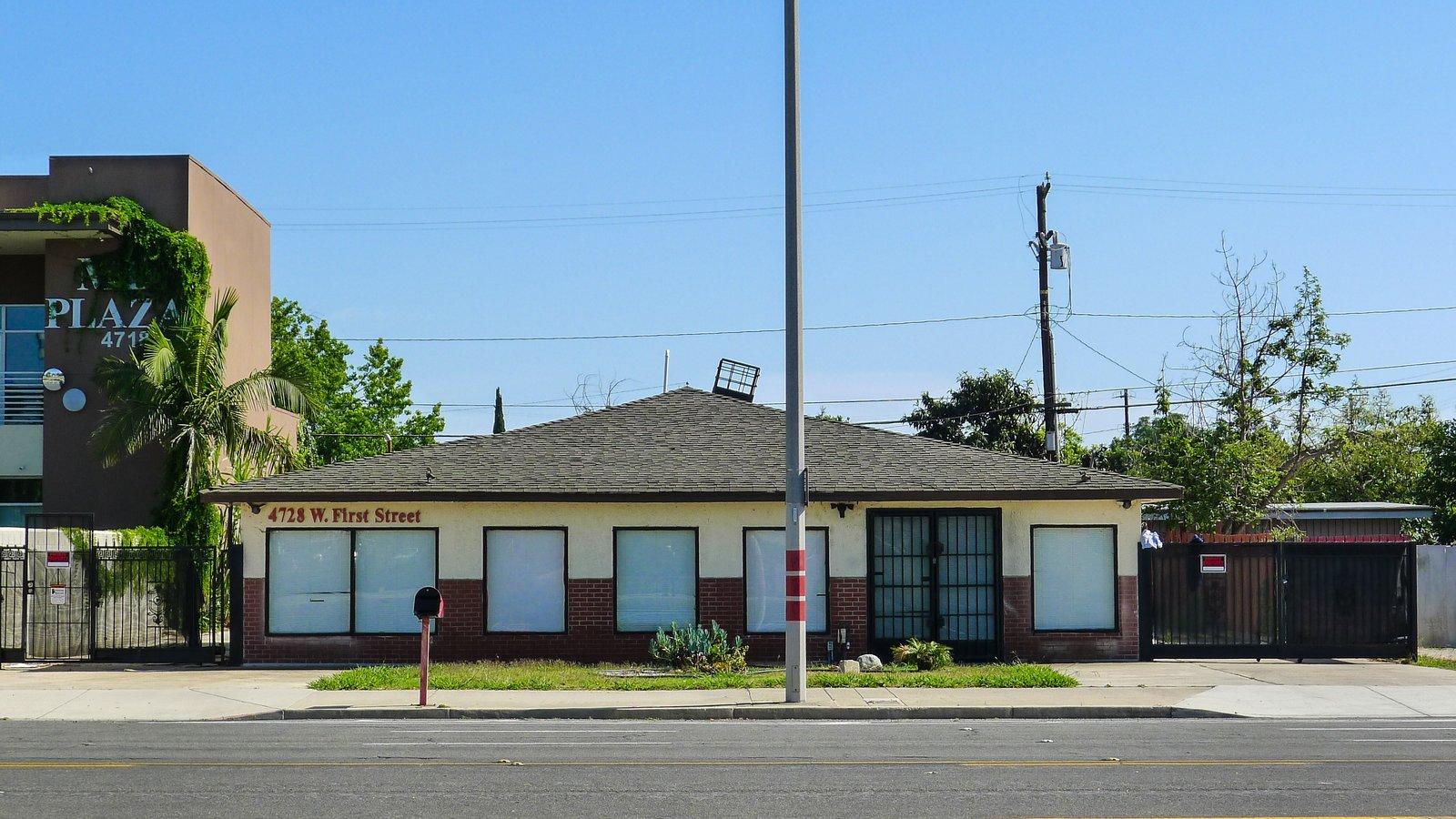
Eliminating a discretionary rezoning step compresses time and risk. For a parcel like 4728 W 1st St, that compression is central to the investment case.
Building Your Own Timeline
Create a month-by-month schedule that begins at contract and ends at certificate of occupancy. Mark the hard dependencies, such as survey, design, plan check, financing, and permit issuance, and assign a realistic duration to each. Then add a buffer of at least ten percent. A candid timeline is the best defense against optimistic assumptions and gives your lender and partners a clear picture of capital needs.
Next Step
Request the timeline comparison deck from Global Estate Hub and adapt its assumptions to your own financing and team.
This article is for general informational purposes only and is not legal, tax, financial, or investment advice. Verify all figures, zoning, and legal requirements with qualified professionals and the City of Santa Ana.