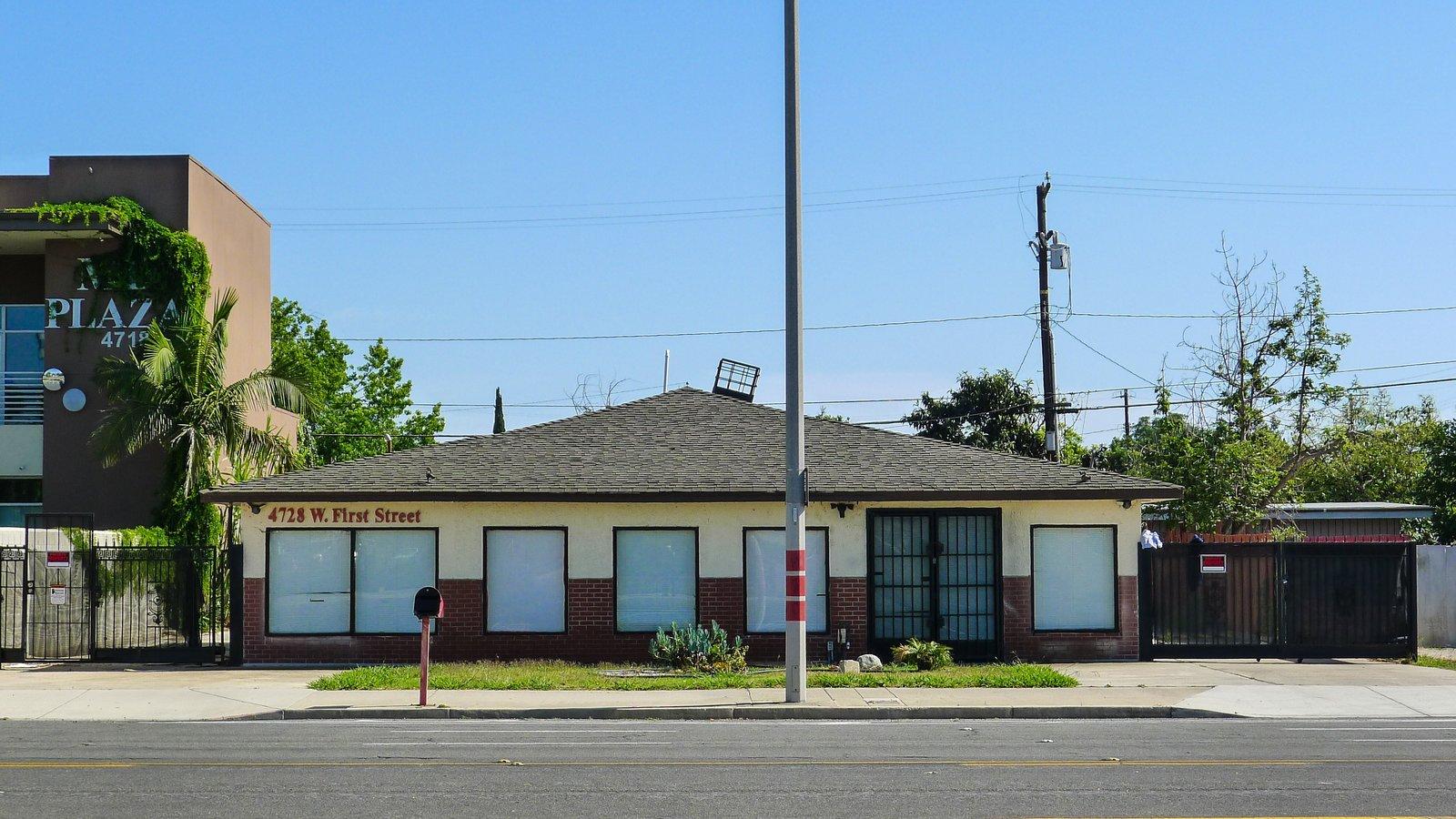
California has adopted several laws that encourage housing on commercial land. Two that developers frequently compare are AB 2011 and SB 6. Choosing the right pathway can change a project's cost, timeline, and returns. This article offers a framework for comparing them for a parcel like 4728 W 1st St.
This is a general overview, not legal advice. Each statute has detailed conditions that change with amendments and interpretation. Have land-use counsel confirm which law, if any, applies to your site.
Why Compare at All?
The two laws share a goal: speed up housing production by limiting discretionary review on qualifying commercial sites. But they differ in how they define eligible sites and what they ask of developers. Selecting the wrong framework can lead to unnecessary affordability obligations, higher labor costs, or a failed application.
The Comparison Framework
Evaluate each statute across the same dimensions:
| Dimension | What to Check |
|---|---|
| Site eligibility | Zoning category, street or corridor characteristics, size, and environmental exclusions |
| Review process | Whether review is ministerial and what standards apply |
| Affordability | Whether any units must be reserved for lower-income households and at what levels |
| Labor | Prevailing wage, skilled and trained workforce, or other requirements |
| Density and height | Allowable units per acre and applicable building height |
| Documentation | Studies and certifications required with the application |
Reading the Differences Practically
Site tests. Some laws focus on the zoning designation of the parcel. Others add geometric tests, such as the width of the adjacent street or the corridor's characteristics. A parcel with strong frontage on a major commercial street, such as West 1st Street, should be tested against both approaches.
Affordability. Some pathways trade streamlined approval for a share of affordable units. A project's economics change significantly depending on whether those units are required, so confirm the exact obligations and compare them with your sale-price assumptions of $850,000 to $950,000 per townhome.
Labor. Wage and workforce requirements raise hard costs. The magnitude depends on project size and trades involved.
Density. Both approaches may provide density that supports our estimate of 12 to 20 units, but actual yield depends on the specific standards applied and your design.
A Decision Process
- Screen eligibility. Ask counsel to evaluate the parcel under each law.
- Model scenarios. Build a simple pro forma for each viable pathway, including labor and affordability effects.
- Compare net outcomes. Look at residual land value, not just unit count.
- Check city practice. Ask Santa Ana Planning how it has processed similar applications.
- Select and document. Record why the chosen pathway offers the best risk-adjusted outcome.
Why SB 6 Is Our Working Thesis
Based on the parcel's C5 commercial zoning and the objective of residential repurposing without rezoning, SB 6 appears to be a natural fit for 4728 W 1st St. Its appeal is that it targets commercially zoned land directly. We still advise buyers to compare it with alternatives, because law evolves and project facts vary.
Beyond These Two Laws
State density bonus provisions, local overlay zones, and other housing statutes may stack with or substitute for these laws. A land-use attorney can map out which combinations are allowed and which are mutually exclusive.
Questions for Your Advisory Team
- Which statute produces the highest residual land value for this parcel?
- What happens if the law is amended before our application is submitted?
- Can the project retain flexibility between for-sale and rental products?
- How do local fees apply under each pathway?
Key Takeaway
Regulatory choice is a financial decision. Treat it with the same rigor as financing or construction strategy.
Next Step
Request the comparison deck from Global Estate Hub and bring it to your first meeting with counsel.
This article is for general informational purposes only and is not legal, tax, financial, or investment advice. Verify all figures, zoning, and legal requirements with qualified professionals and the City of Santa Ana.